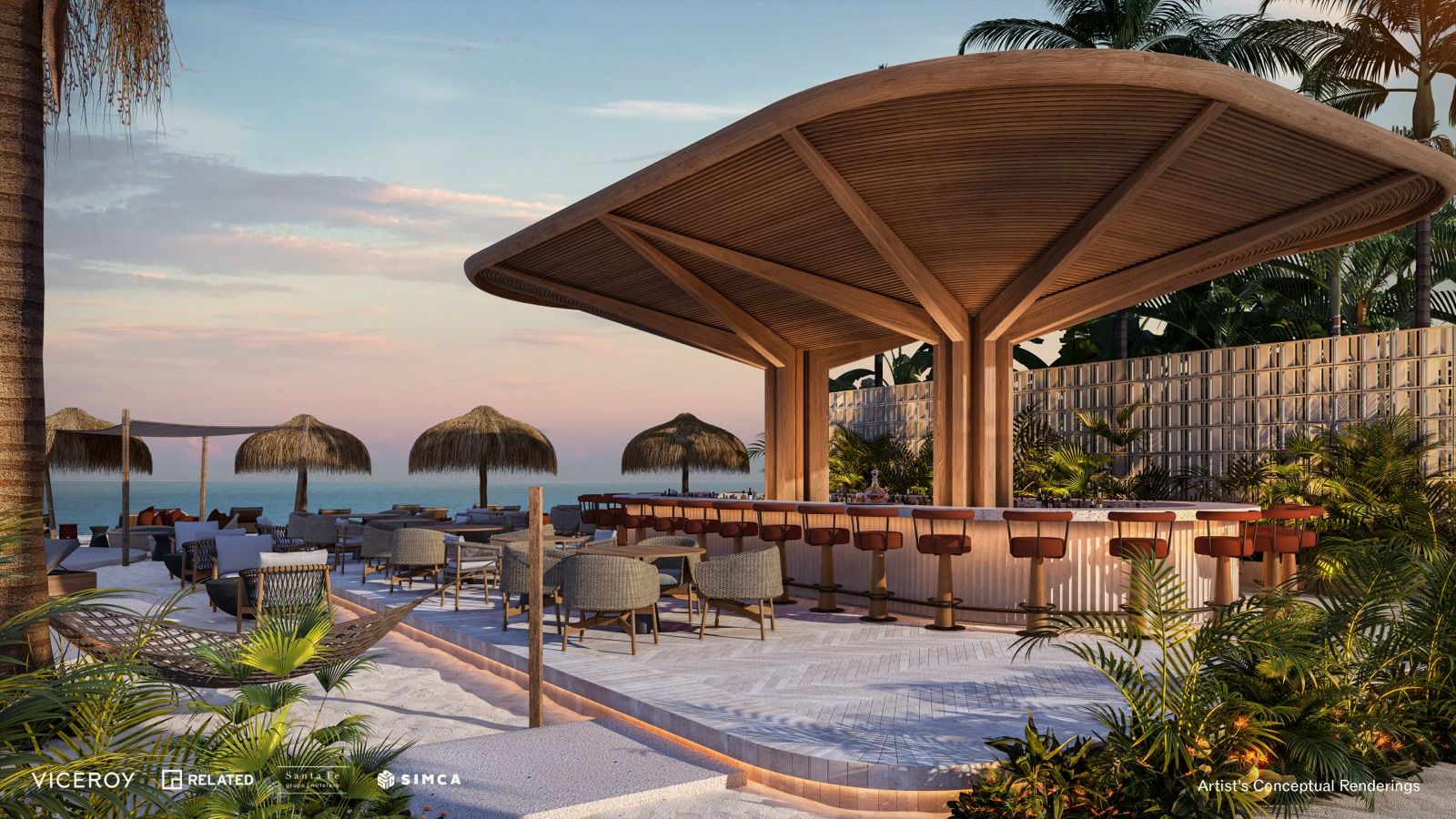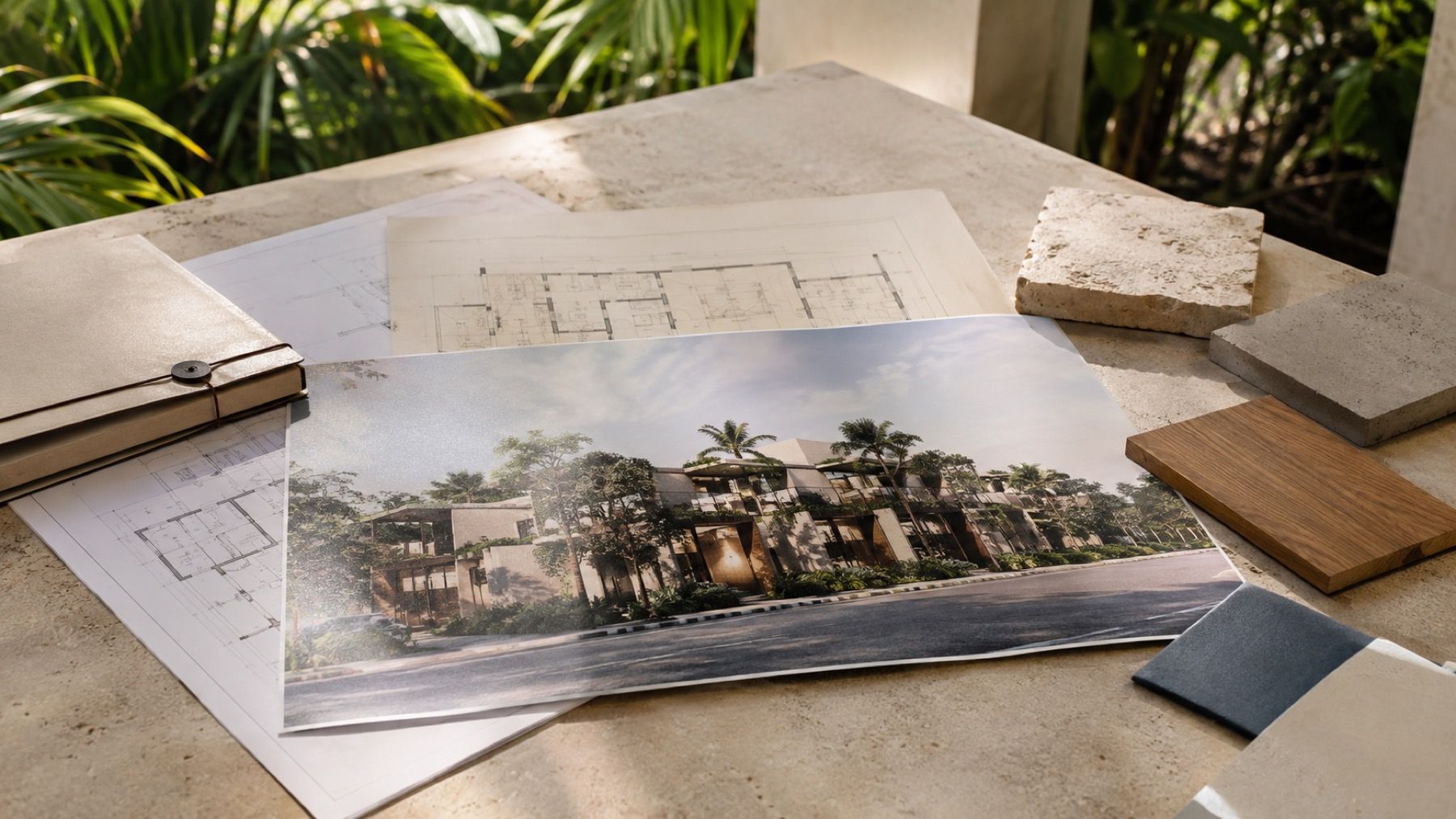
A compelling render can make a development feel real long before it exists. The architecture is flawless, the landscaping is mature, and every space appears designed for an effortless life in the Riviera Maya.
But a render can only show what a project is intended to become. It cannot tell you whether the developer has the experience, documentation or financial capacity to complete it.
When someone asks me to evaluate a new development, I begin by looking beyond the presentation.
Start With the Developer
The first question is not simply whether the project looks attractive. It is whether the people behind it have successfully delivered before.
A developer’s track record provides valuable context. Have they completed previous projects? Were those developments delivered successfully? What has the experience been for the buyers who invested in them?
A new developer does not automatically mean a bad project, but it does require deeper scrutiny. Today, it is relatively easy for a small group of investors to create a brand, commission impressive renders and begin marketing a development. That does not necessarily mean they understand the complexities of taking it from concept to completion.
Experience matters because development involves far more than design. It requires financial planning, legal preparation, construction management and the ability to respond when conditions change.
Verify What Exists Behind the Vision
Before considering any Riviera Maya real estate development, the legal and financial foundations must be examined.
The documentation related to the land should be in order, and the project should have the necessary construction permits and licenses. These are not decorative details or paperwork to address later. They are part of the foundation on which the entire investment rests.
Financing is equally important.
Some projects depend entirely on presale revenue to continue construction. When the next stage can only move forward if enough additional units are sold, buyers assume a greater level of risk.
A well-structured development should have access to sufficient capital to complete the project. In Mexico, this may include a bridge loan: construction financing that allows progress to continue without depending exclusively on the pace of pre-sales.
It does not replace proper due diligence, but it can be an important indicator that the project has been examined by a financial institution and has a more substantial funding structure behind it.
Recognize the Signs of Urgency
Some warning signs are less obvious because they appear as incentives.
If a development has a strong location, an appealing architectural concept and the required documentation, but is still struggling to generate sales, it is worth asking why.
Unusually high commissions can be another signal. When a project offers advisors commissions of eight, ten or even twelve percent, the incentive may reveal an urgency that the marketing materials do not.
The same applies to excessive promotions or increasingly aggressive discounts.
These circumstances do not provide a diagnosis on their own, but they should prompt further investigation. There may be insufficient funding, unresolved issues between partners, litigation or complications involving the land. The important thing is not to be distracted by the promotion before understanding what is driving it.
What a Strong Development Looks Like
A sound investment still needs the qualities that initially attract a buyer: a good location, thoughtful architecture, strong aesthetics, appropriate structural planning and quality construction materials.
But those elements must be supported by something less visible and far more important: an experienced developer, proper documentation and the financial resources required to finish what has been promised.
Beautiful images can introduce a possibility. They should never be the reason you trust it.
Before investing in a Riviera Maya development, look past the render and evaluate the structure behind it. That is where the real project begins.